How to Handle Crawlspace Vent Repair for Rodent Prevention
Why Crawlspace Vents Matter for Pest Control
If you own a home in Cleveland TN, you know the humidity and temperature swings can make crawlspaces a favorite hideout for pests. The vents that allow air to circulate under your house are also the most common entry points for rats, mice, raccoons, and squirrels. Over time, these vents get damaged by weather, rust, or even animal gnawing. A broken or loose vent cover is like leaving the front door open. That is where crawlspace vent repair becomes essential for keeping your home sealed.
I have spent years working on homes where the crawlspace insulation was chewed up by mice and the vent covers were barely hanging on. In one house near Belington, the homeowner had a raccoon living under the floor for weeks before they noticed the smell. The vent screen had a tear the size of a fist. A simple crawlspace vent repair would have stopped it from happening at all.
Understanding the Damage
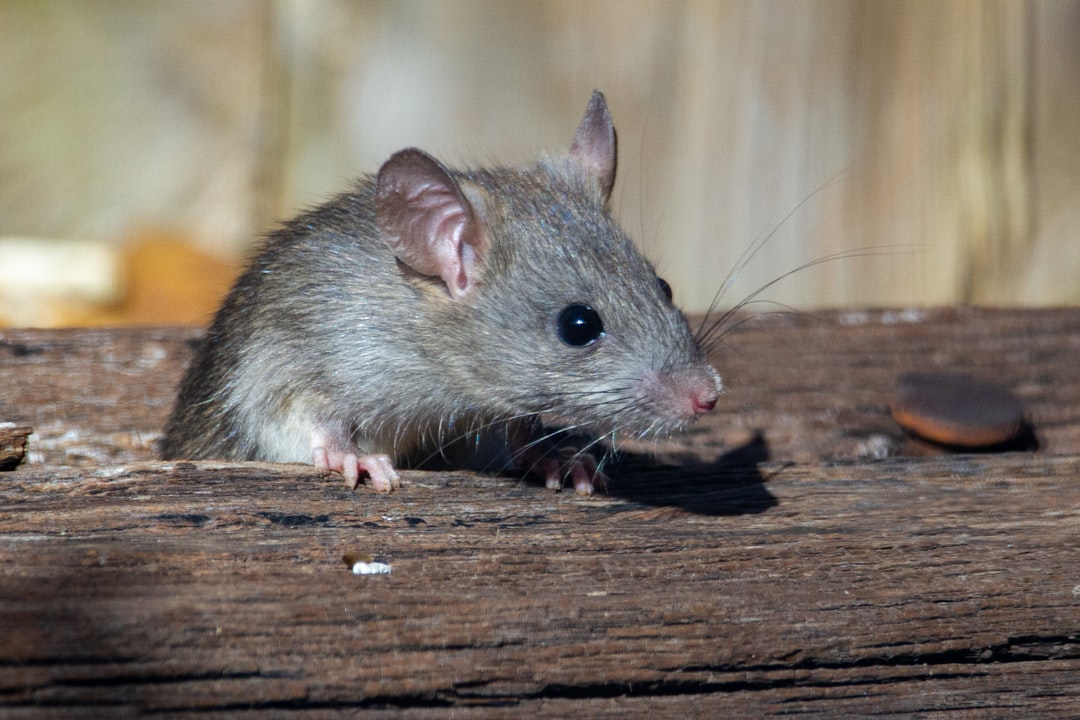
Crawlspace vents are usually made of metal or plastic and sit flush against the foundation. They can crack from freeze-thaw cycles, get bent by lawn equipment, or rust out near the edges. Animals like squirrels and rats are persistent. They will squeeze through gaps as small as a quarter inch. Once inside, they chew on wiring, tear up crawlspace insulation, and leave droppings that create health risks.
Rodent exclusion is the process of sealing every possible entry point. A proper crawlspace vent repair involves more than just patching a hole. It means replacing the vent cover with a durable material that animals cannot chew through. I have seen homeowners try to use plastic covers from big-box stores, only to find them shredded within a month. Steel Wool is a temporary fix for small gaps, but for a full vent replacement you need something stronger.
Choosing the Right Materials
When I recommend materials for crawlspace vent repair, I look for heavy-gauge steel or galvanized mesh. Products like PestProof vent covers are designed specifically for rodent exclusion. They have welded seams and tight mesh that keeps out even juvenile rats. Another reliable option is the Killum brand, which makes pre-cut vent screens that fit standard openings. For homeowners who prefer a DIY approach, Tomcat offers mesh patches that can be cut to size, though they work better as a temporary fix than a permanent solution.
In my experience, combining a new vent cover with a bead of silicone sealant around the edges gives the best seal. You also want to check the condition of the crawlspace door at the same time. If that door is warped or has gaps, animals will find it. A full crawlspace vent repair should always be part of a broader pest prevention plan.
When to Call a Professional
Not every crawlspace vent repair is a weekend job. If the vent is located in a tight corner or the foundation has cracks nearby, you might need someone with experience in structural repairs. Companies like Hiwassee Pest Control handle trapping and exclusion work in Cleveland TN and the surrounding area. They know the local wildlife - from raccoons that tear off vent covers to squirrels that gnaw through wood - and they can recommend the right fix.
I once helped a family in Belington who had tried to repair a gable vent themselves. They used a piece of plywood and some screws. It lasted two weeks before a raccoon pried it off. A professional would have used a heavy-duty metal vent cover and anchored it into the brick with masonry screws. That kind of crawlspace vent repair costs more up front but saves money on repeated damage to crawlspace insulation and framing.
Preventing Future Problems
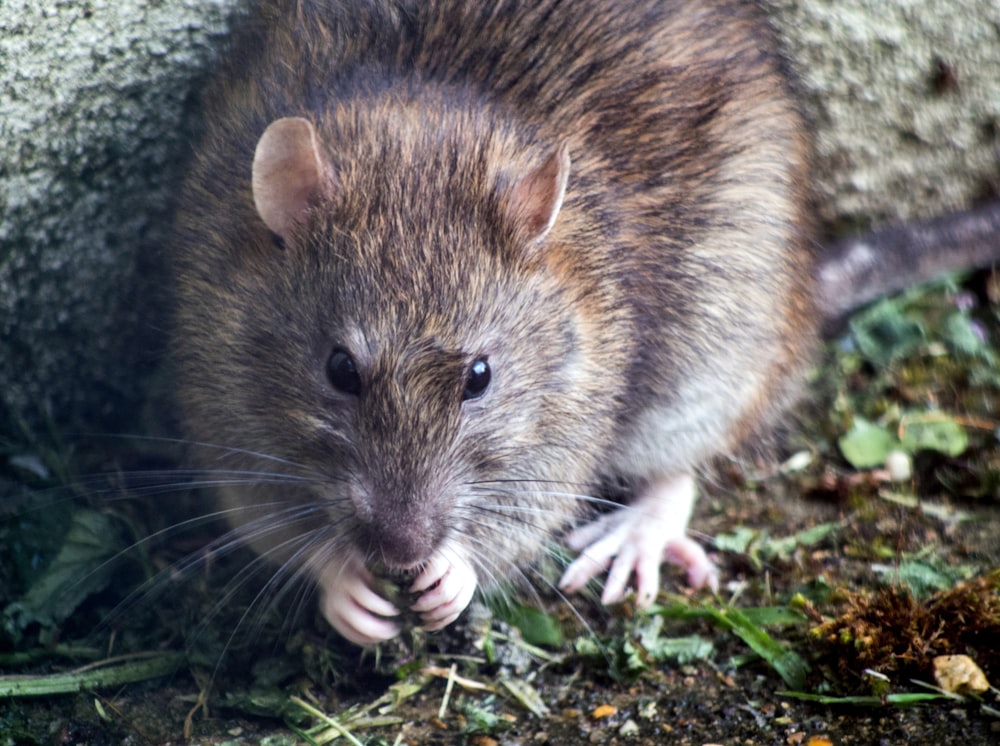
After you fix the vent, the next step is making sure animals do not try to break back in. Rodent exclusion is an ongoing process. You need to inspect the crawlspace at least twice a year. Look for signs like droppings, gnaw marks, or new holes in the crawlspace door. Keep the area around the vents clear of brush and debris, because tall grass gives cover for mice and rats to approach undetected.
For persistent rodent problems, I have seen good results with bait stations placed outside the crawlspace. Products like EcoClear are less toxic to pets and children, but they still require careful placement. Another option is the Honeywell ultrasonic repellent, though I find it works best as a supplement rather than a standalone solution. The real key is keeping every vent and gap sealed tight.
Practical Steps for a DIY Repair
If you want to try crawlspace vent repair on your own, here are the basic steps I follow:
- Remove the old vent cover carefully, checking for any animals or nests inside.
- Clean the opening with a wire brush to remove rust and debris.
- Measure the opening precisely, then cut a new vent cover from heavy-gauge mesh or a pre-made PestProof screen.
- Secure the cover with corrosion-resistant screws, and seal the edges with silicone caulk.
- Install a small piece of Steel Wool behind the vent as an extra barrier against gnawing.
That process works for most standard vents. But if the foundation is crumbling or the vent frame is rotted, you need to repair the structure first. I recommend using a masonry patch kit for concrete blocks and replacing any rotted wood around the crawlspace door before attaching the new vent.
Common Mistakes to Avoid
I have seen homeowners make the same errors over and over. One is using a vent cover that is too flimsy. Plastic vents look fine in the store, but they crack in the sun and break under animal weight. Another mistake is leaving gaps around the edges. Even a pencil-width gap is enough for a mouse to squeeze through. And never rely on spray foam alone to seal a vent opening. Animals chew through it like butter. A proper crawlspace vent repair requires a physical barrier, not just a filler.
Another oversight is forgetting about gable vents. These are the vents in the attic or high on the wall, but they can also lead into the crawlspace if the house design connects them. Squirrels often enter through gable vents and then travel down into the crawlspace. Check those vents too and seal them with the same mesh material.
Long-Term Maintenance
After you complete the crawlspace vent repair, set a reminder to inspect it every few months. Heavy rain and snow can loosen screws. Rust can develop on older mesh. And animals never stop trying. A raccoon that got into a crawlspace once will remember the spot and come back. A solid vent cover with no weak points is your best defense.
In Cleveland TN, where the climate swings from hot summers to cold winters, crawlspace insulation can also attract rodents looking for warmth. Keeping the vents in good shape helps regulate temperature and moisture, which in turn keeps the insulation dry and less appealing for nesting. That is why pest prevention and home maintenance go hand in hand.
I have used Tomcat traps and Killum bait stations in crawlspaces that had active infestations, but trapping alone is not enough if the vents are open. The only way to stop the cycle is to close the entry points permanently. That means doing the crawlspace vent repair right the first time, with quality materials and attention to detail.
Final Thoughts
Whether you hire a professional or do it yourself, crawlspace vent repair is one of the most effective ways to protect your home from rodents. It is a small job that has a big impact on pest prevention. By using durable materials like PestProof vent covers and sealing every gap, you make your crawlspace a fortress instead of an invitation. And if you ever find yourself dealing with a raccoon in the basement or mice in the insulation, remember that the first step is always to check the vents.